The Role of Body Language in Interviews: The Silent Skill That Can Help You Get Hired
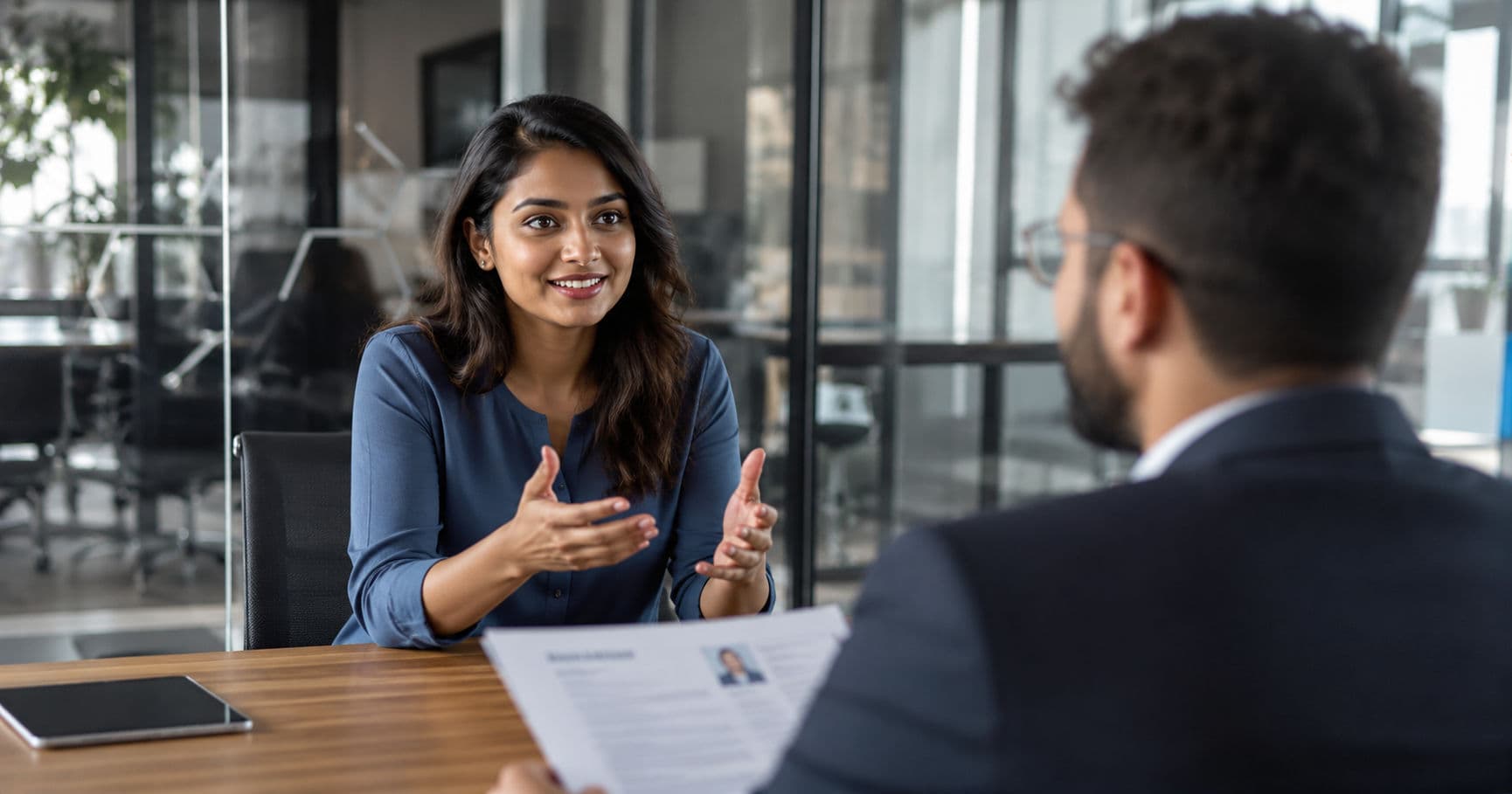
Imagine two candidates walking into the same interview room. Both have similar qualifications, similar marks, and almost the same technical knowledge. They answer most of the questions correctly. Yet, at the end of the day, only one of them receives the job offer.
What made the difference?
In many cases, it is not the resume or even the answers. It is the way the candidate presented themselves. Their confidence, posture, eye contact, expressions, and overall presence often leave a stronger impression than people realize.
This is where body language becomes important.
Many job seekers spend weeks preparing interview questions but forget that communication is not only about words. Every smile, every handshake, every pause, and every movement sends a message to the interviewer. When these signals match your confidence and professionalism, they strengthen your chances of getting selected.
This article explains how body language influences interviews, the mistakes candidates often make, and practical ways to improve your non-verbal communication before your next interview.
What Is Body Language in Interviews?
Body language is the way we communicate without speaking. It includes facial expressions, eye contact, posture, hand movements, walking style, voice tone, and even the way we listen to someone.
During an interview, your body language tells the interviewer whether you are confident, nervous, interested, distracted, or prepared.
Sometimes it speaks even louder than your words.
For example, saying "I am confident" while constantly looking at the floor creates confusion. On the other hand, speaking calmly while maintaining eye contact naturally supports your words.
Why Body Language in Interviews Matters
An interview is not an examination where only correct answers matter. Companies also evaluate whether a candidate can communicate effectively, work with people, and represent the organization professionally.
Good body language helps you:
- Create a positive first impression
- Build trust with the interviewer
- Show confidence without appearing arrogant
- Demonstrate professionalism
- Make your answers more convincing
- Reduce the appearance of nervousness
Recruiters often remember how a candidate made them feel, not just what they said.
First Impressions Begin Before the Interview Starts
The interview starts long before the first question.
The moment your name is called, the interviewer begins observing you.
Are you walking confidently?
Did you greet politely?
Did you wait to be invited before sitting?
Are you carrying yourself professionally?
These small moments create an impression within seconds.
A calm smile and a polite greeting show maturity. Walking in with confidence and respecting basic interview etiquette immediately creates a positive atmosphere.
Dress Like You Respect the Opportunity
Clothing is not technically body language, but it contributes to your overall presentation.
Your clothes should look clean, neat, and suitable for the role.
You do not need expensive brands.
Simple formal clothing, polished shoes, neat hair, and good personal hygiene are enough to create a professional appearance.
When you feel comfortable in your clothes, your confidence also improves naturally.
Sit with Confidence
Many candidates unknowingly reveal nervousness through the way they sit.
Good posture communicates confidence and attentiveness.
Keep your back straight without becoming stiff.
Relax your shoulders.
Place both feet comfortably on the floor.
Avoid leaning too far back or bending excessively forward.
Your posture should look natural rather than forced.
Think of sitting as if you are having an important professional conversation rather than facing an examination.

Maintain Natural Eye Contact
Eye contact is one of the strongest indicators of confidence.
It tells the interviewer that you are honest, attentive, and engaged in the conversation.
However, natural eye contact is different from staring.
Look at the interviewer while speaking, occasionally glance away naturally, and return your attention without making it uncomfortable.
If multiple interviewers are present, begin your answer by looking at the person who asked the question and then include the others while speaking.
It helps interviewers feel that you are engaged, trustworthy, and prepared for the role.
Smile Genuinely
A genuine smile creates warmth.
It shows that you are approachable and comfortable.
You do not need to smile throughout the interview.
Instead, smile while greeting, introducing yourself, and whenever the conversation naturally becomes positive.
A fake smile is usually easy to notice.
A relaxed and genuine expression works much better.
Use Your Hands Naturally
Some people freeze completely while speaking.
Others move their hands so much that it becomes distracting.
The best approach lies somewhere in between.
Use simple gestures to support important points.
Keep your movements controlled.
Avoid pointing fingers aggressively or constantly waving your hands.
Natural gestures make communication easier to understand.
Listen Before You Answer
Good body language is not only about speaking.
It is equally about listening.
Allow the interviewer to complete the question.
Maintain eye contact.
Show that you are listening carefully by giving a slight nod when appropriate.
Take a brief moment before answering instead of rushing.
Candidates who listen carefully usually provide better answers.
Control Nervous Habits
Everyone feels nervous during interviews.
The difference is that successful candidates manage their nervous habits.
Common nervous actions include:
- Tapping fingers on the table
- Shaking legs continuously
- Playing with a pen
- Touching the face repeatedly
- Adjusting hair every few seconds
- Looking around the room constantly
These habits distract interviewers.
Before your interview, identify your own nervous habits by recording yourself during a mock interview.
Awareness is the first step toward improvement.
Speak Clearly
Body language also includes how you use your voice.
Speaking too quickly often makes candidates sound nervous.
Speaking too slowly may make them appear uncertain.
Aim for a comfortable pace.
Pronounce words clearly.
Pause briefly after important points.
A calm voice reflects confidence.
Show Interest Throughout the Conversation
Interviewers appreciate candidates who actively participate in the discussion.
Lean slightly forward while listening.
Maintain an interested expression.
Respond naturally instead of giving one-word answers.
If appropriate, ask thoughtful questions about the role or the company.
This shows genuine curiosity rather than simply trying to complete the interview.
A Real-Life Example
Consider two engineering graduates attending campus placements.
Both know programming well.
The first candidate enters confidently, greets the panel politely, maintains eye contact, and explains projects with enthusiasm.
The second candidate has similar technical knowledge but keeps looking down, speaks softly, avoids eye contact, and constantly shakes one leg.
Even though both answer most questions correctly, the first candidate leaves a stronger impression because the interviewer feels more confident about their communication skills.
This happens in real interviews every day.
Body Language in Online Interviews
Virtual interviews require slightly different preparation.
Place your camera at eye level.
Look into the camera while speaking instead of constantly looking at your own video.
Choose a quiet room with good lighting.
Sit properly throughout the interview.
Avoid checking your phone or looking at another screen unless necessary.
Even online, professionalism matters.
Common Body Language Mistakes in Interviews
Many candidates unknowingly make mistakes that reduce their impact.
Some common examples include:
- Entering without greeting
- Sitting before being invited
- Crossing arms throughout the interview
- Looking at the floor while answering
- Constantly checking the watch
- Speaking with very low energy
- Interrupting the interviewer
- Rolling eyes or showing frustration
- Slouching in the chair
- Leaving the room without thanking the interviewers
Avoiding these mistakes immediately improves your professional image.
How to Improve Your Body Language in Interviews
Improvement does not happen overnight, but it is completely possible with regular practice.
Start by practicing introductions in front of a mirror.
Record mock interviews on your phone.
Observe your posture, expressions, and speaking speed.
Ask a friend to conduct a practice interview.
Work on maintaining eye contact naturally.
Read aloud every day to improve voice clarity.
Practice slow breathing before entering the interview room.
The more interviews you practice, the more natural your body language becomes.
Confidence Comes from Preparation
Many people think confidence is something people are born with.
In reality, confidence usually comes from preparation.
When you know your resume well, understand your projects, research the company, and practice interview questions, your body language automatically improves.
You stop worrying about what to say next.
Your focus shifts toward having a conversation rather than surviving an interview.
Final Thoughts
Body Language in Interviews is often called the silent language because it communicates without words. During interviews, this silent language influences how recruiters evaluate your confidence, professionalism, communication skills, and overall suitability for the role.
Strong technical knowledge will always remain important, but presenting that knowledge effectively is equally valuable. Small improvements in posture, eye contact, facial expressions, and listening skills can make a noticeable difference in the overall impression you leave.
The next time you prepare for an interview, do not focus only on answers. Practice how you enter the room, how you greet people, how you sit, how you listen, and how you leave.
Sometimes, the difference between "We'll get back to you" and "You're selected" is not another technical answer—it is the confidence you communicate without saying a single word.
Mastering Body Language in Interviews can improve your confidence, communication skills, and overall interview success.
FAQs
1. Why is Body Language in Interviews important?
Body language helps interviewers evaluate your confidence, professionalism, communication skills, and attitude beyond your spoken answers.
2. What is the best posture during an interview?
Sit upright with relaxed shoulders, keep both feet on the floor, and avoid slouching or leaning too far back.
3. Should I maintain eye contact throughout the interview?
Maintain natural eye contact while speaking and listening, but avoid staring continuously.
4. Can poor body language affect interview results?
Yes. Even technically strong candidates may leave a weaker impression if their body language suggests nervousness, disinterest, or lack of confidence.
5. How can I improve Body Language in Interviews?
Practice mock interviews, record yourself, maintain good posture, make natural eye contact, and focus on speaking calmly and confidently.