India is widely recognized as one of the world's largest sources of engineering talent. From software development and artificial intelligence to cloud computing, cybersecurity, and semiconductor design, Indian engineers are contributing to some of the most innovative technologies shaping the future.
Many Indian professionals hold leadership positions in global technology companies, and thousands of engineers from India work on products and services used by billions of people worldwide. Their success highlights the strength of India's technical education and the determination of its engineering workforce.
However, despite this global recognition, many engineering students and graduates in India continue to face significant challenges when it comes to employment, career growth, and industry exposure.
The Global Success of Indian Engineers
Over the past few decades, Indian engineers have built a strong reputation for problem-solving, innovation, and technical excellence. Companies across the world actively hire Indian talent because of their adaptability, work ethic, and technical capabilities.
The rise of remote work and global hiring has further increased opportunities for Indian professionals, allowing them to work for international organizations without leaving the country.
This global demand clearly shows that India possesses an abundance of engineering talent.
Challenges Faced by Engineers in India
**1. The Growing Skill Gap ** While many students graduate with strong theoretical knowledge, employers increasingly seek practical skills and hands-on experience. Many graduates struggle to bridge the gap between classroom learning and real-world industry requirements.

2. Communication and Soft Skills
Technical expertise alone is no longer enough in today's competitive job market. Engineers are expected to communicate ideas clearly, collaborate with teams, present solutions confidently, and interact with clients effectively.
A lack of communication skills often becomes a major obstacle during interviews and professional interactions.
3. Limited Industry Exposure
Many students complete their engineering degrees without sufficient exposure to industry projects, internships, mentorship programs, or professional environments. As a result, they often find it difficult to understand workplace expectations after graduation.
**4. Weak Professional Networking ** In many developed countries, students begin building professional networks during their academic years. In India, however, networking is still underutilized by a large number of students.
Strong professional connections can lead to internships, referrals, mentorship opportunities, and career growth.
5. Unequal Access to Opportunities
Students from Tier-2 and Tier-3 cities often face difficulties accessing internships, hackathons, technical communities, startup ecosystems, and networking events. This creates an opportunity gap that can affect career progression.
What Needs to Change?
To succeed in the modern technology industry, engineering students must go beyond earning a degree. They should focus on:
Building real-world projects Participating in hackathons Contributing to open-source initiatives Improving communication skills Learning emerging technologies Seeking internships and mentorship Expanding professional networks
The future belongs to engineers who combine technical expertise with practical experience and strong interpersonal skills.
The Importance of Engineering Communities
One of the most effective ways for students to grow professionally is by becoming part of active engineering communities.
Communities help students learn from peers, discover opportunities, collaborate on projects, gain industry insights, and build meaningful professional relationships.
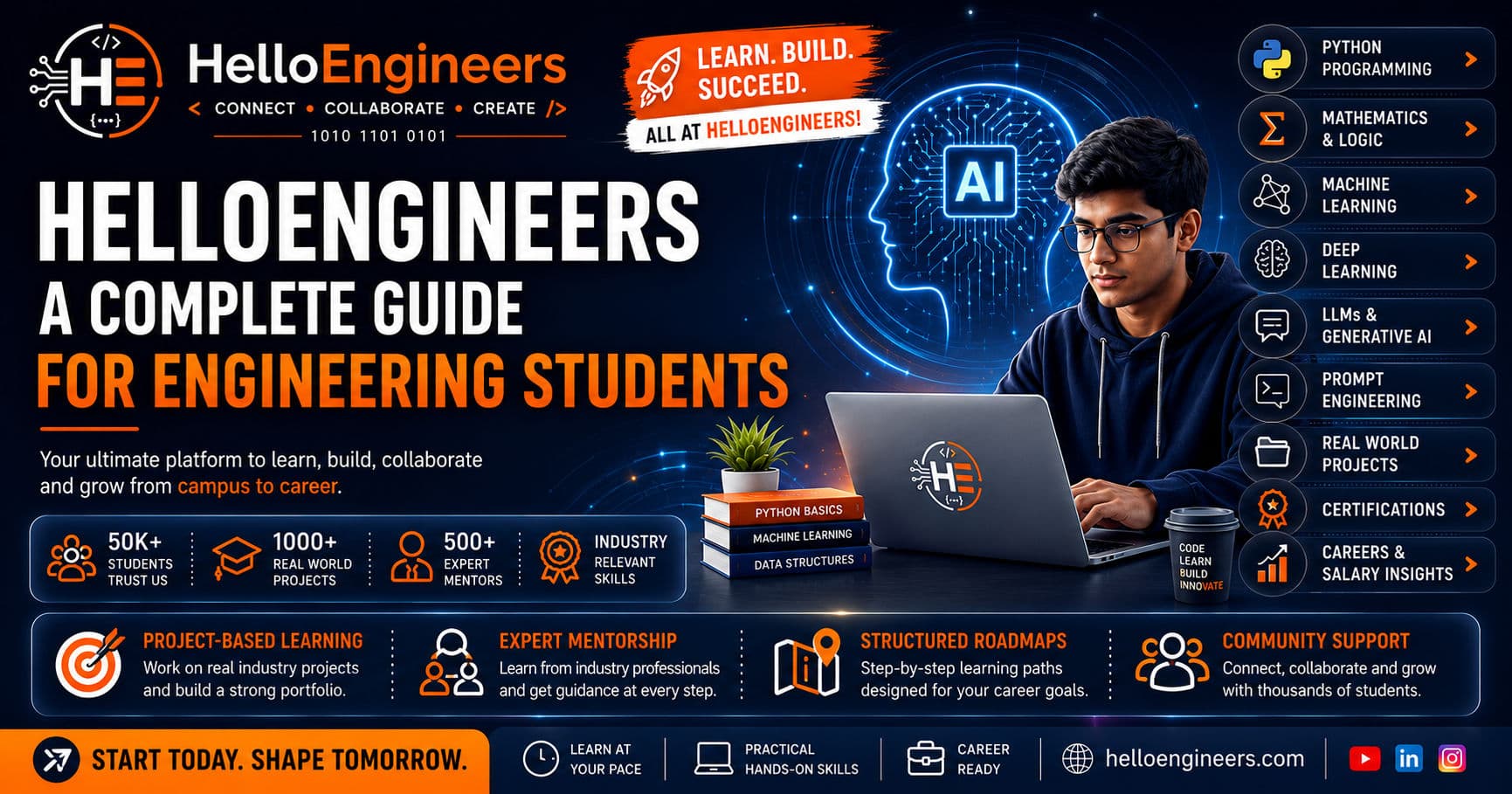
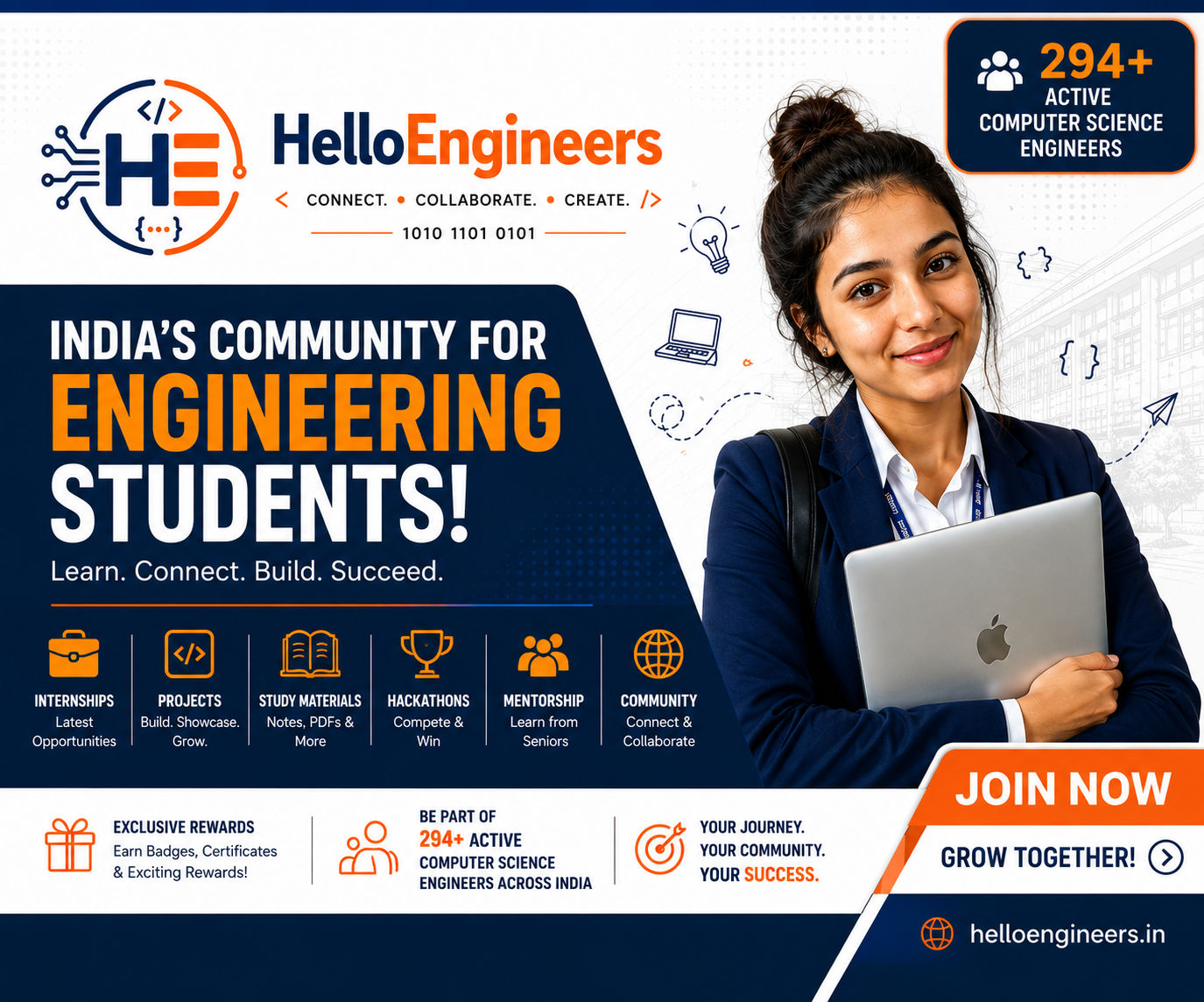
Platforms like HelloEngineers are helping create spaces where engineering students, developers, and technology enthusiasts can connect, learn, collaborate, and grow together.
Conclusion
Indian engineers continue to make remarkable contributions to technology and innovation across the globe. Their achievements demonstrate the immense potential that exists within India's engineering ecosystem.
However, addressing challenges such as skill gaps, communication barriers, limited industry exposure, and insufficient networking opportunities remains essential.
By focusing on practical learning, continuous skill development, and community-driven growth through platforms like HelloEngineers, the next generation of engineers can become not only successful professionals but also global innovators and technology leaders.