The Role of Coding in Non-Computer Engineering Branches
For many years, coding was considered a skill reserved for Computer Science and Information Technology students. However, the engineering landscape has evolved dramatically. Today, coding is becoming an essential skill across almost every engineering discipline, including Mechanical, Civil, Electrical, Electronics, Chemical, Aerospace, and Biomedical Engineering.
Modern engineering is driven by automation, data analysis, simulation, and smart technologies. As industries adopt digital transformation, engineers who understand programming can solve problems faster, automate repetitive tasks, and develop innovative solutions. Coding is no longer just an advantage—it is quickly becoming a valuable career skill.
Why Coding Matters Beyond Computer Science
Engineering is fundamentally about solving complex problems. Programming allows engineers to create tools, analyze large datasets, simulate designs, and improve operational efficiency. Instead of relying solely on manual calculations or commercial software, engineers can develop customized solutions tailored to specific project requirements.
Learning programming also improves logical thinking, analytical reasoning, and problem-solving abilities—skills that are useful in every engineering profession.
Mechanical Engineering
Mechanical engineers use coding to automate manufacturing processes, develop robotics applications, perform finite element analysis, and create simulation models. Programming languages like Python and MATLAB help engineers analyze machine performance, optimize designs, and improve production efficiency.
With the rise of Industry 4.0, coding has become increasingly important for working with automation systems, digital twins, and smart factories.
Civil Engineering
Civil engineers are adopting coding for structural analysis, Building Information Modeling (BIM), traffic simulations, and smart infrastructure projects. Programming helps automate calculations, process survey data, and manage large construction datasets.

As smart cities continue to expand, civil engineers with programming knowledge are better equipped to work on intelligent transportation systems, infrastructure monitoring, and sustainable urban development.
Electrical and Electronics Engineering
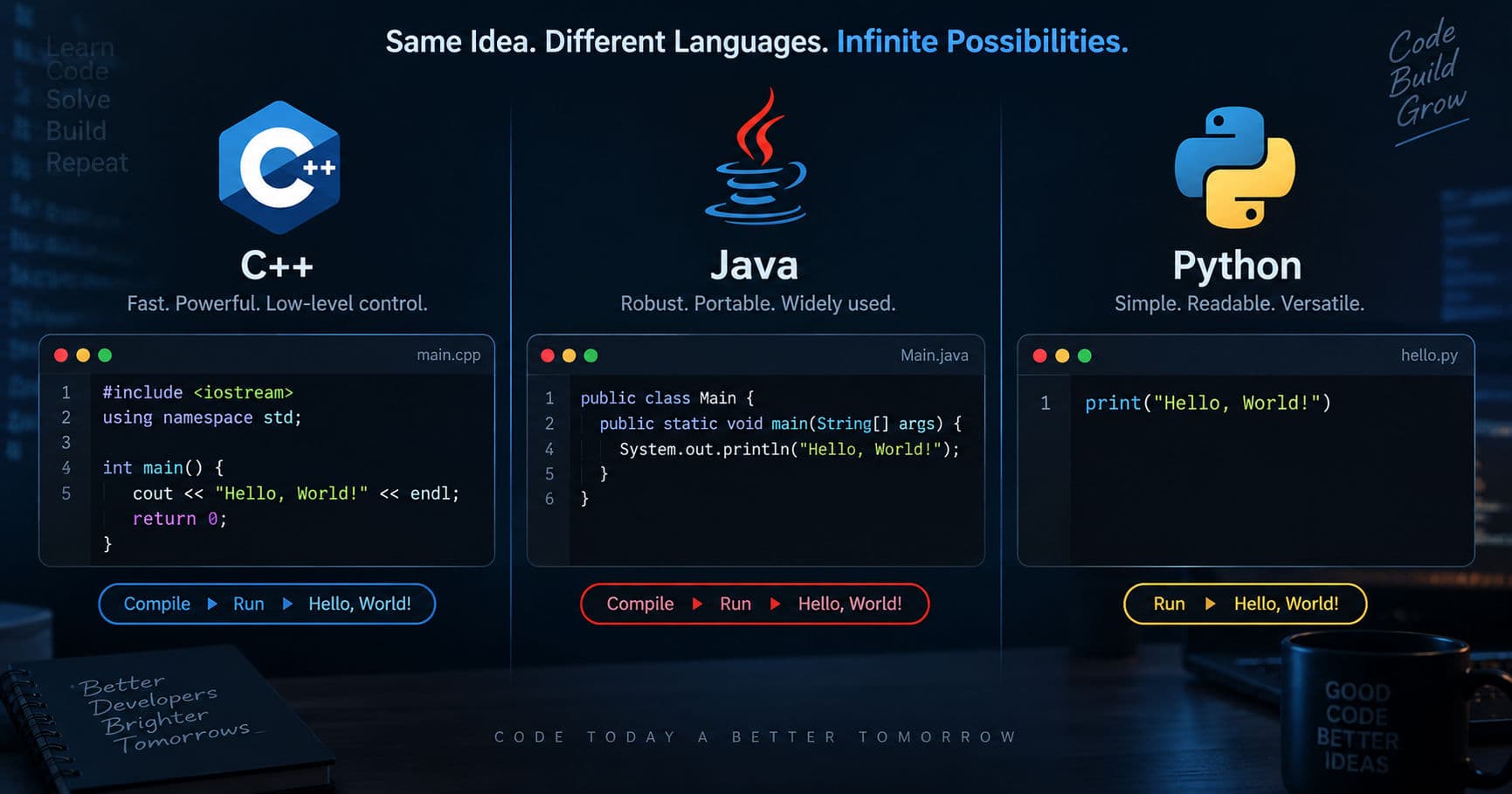
Coding plays a vital role in embedded systems, Internet of Things (IoT), renewable energy systems, and industrial automation. Engineers regularly program microcontrollers, sensors, and communication devices using languages such as C, C++, and Python.
Knowledge of coding enables engineers to design intelligent systems that power modern homes, industries, healthcare devices, and electric vehicles.
Chemical and Biomedical Engineering
Chemical engineers use programming for process optimization, plant simulations, and predictive modeling. Biomedical engineers rely on coding for medical imaging, healthcare devices, wearable technology, and data analysis.
Programming allows engineers to process complex scientific data more efficiently and contribute to innovations that improve healthcare and industrial operations.
Popular Programming Languages for Engineers
Different engineering disciplines benefit from different programming languages:
- Python – Data analysis, automation, Artificial Intelligence, and engineering simulations.
- MATLAB – Mathematical modeling, control systems, and signal processing.
- C/C++ – Embedded systems, robotics, and microcontroller programming.
- SQL – Managing engineering databases and project data.
- JavaScript – Engineering dashboards and web-based visualization tools.
Students do not need to master every language. Building proficiency in one or two relevant languages can significantly improve career prospects.
Career Benefits of Learning Coding
Engineering graduates with programming skills often enjoy several advantages:
- Better placement opportunities.
- Higher salary potential.
- Ability to work on multidisciplinary projects.
- Increased productivity through automation.
- Opportunities in emerging fields like Artificial Intelligence, Robotics, Data Science, IoT, and Smart Manufacturing.
Many companies now expect engineers from all branches to possess basic programming knowledge, making coding an important employability skill.
How Engineering Students Can Start Learning
Getting started with coding has never been easier. Students can begin by learning Python through free online platforms, practicing coding challenges, and building small engineering-related projects. Participating in hackathons, technical clubs, and open-source projects also provides valuable practical experience.
The key is consistency. Even dedicating a few hours each week to learning programming can make a significant difference over time.
Conclusion
Coding is no longer limited to Computer Science students. It has become an essential tool for engineers across every discipline. Whether you're designing machines, constructing smart cities, developing renewable energy systems, or improving healthcare technology, programming helps you work more efficiently and solve real-world problems.
For engineering students, learning coding is an investment in future career success. As technology continues to reshape industries, engineers who combine technical expertise with programming skills will be better prepared to innovate, adapt, and lead in the evolving world of engineering.
HelloEngineers helps in shaping your future, Join HelloEngineers today