If you have been in the industry long enough, you notice the cycles.
Twenty years ago, Computer Science Engineering (Old CSE) was governed by severe constraints. Memory was highly expensive, compute was limited, and network latency was a hard physical barrier. You couldn't just "spin up a bigger instance." You had to understand how a B-Tree worked to index your database properly. You had to manage memory manually. Engineering was the art of optimizing for scarcity.
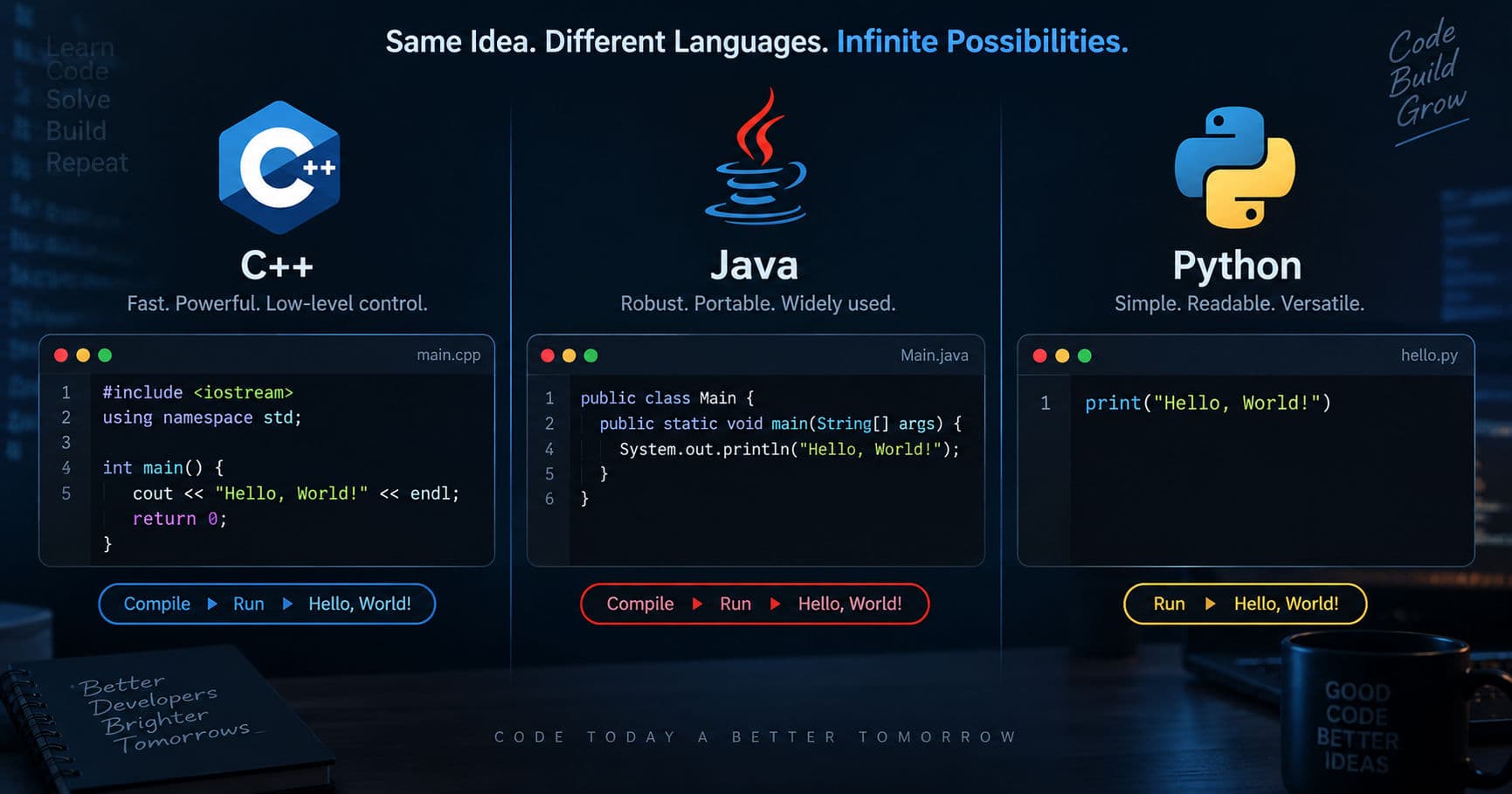
Enter "New CSE". Today, computing power is effectively infinite, heavily abstracted behind AWS, Vercel, and Docker. The modern developer’s toolkit is a massive ecosystem of npm packages, ORMs, and managed services.
The advantage? The speed to market is incredible. A single junior developer today can build and deploy a full-stack application in a weekend—something that would have taken a team of five people six months in 2004. But there is a massive, hidden cost to this infinite abstraction.
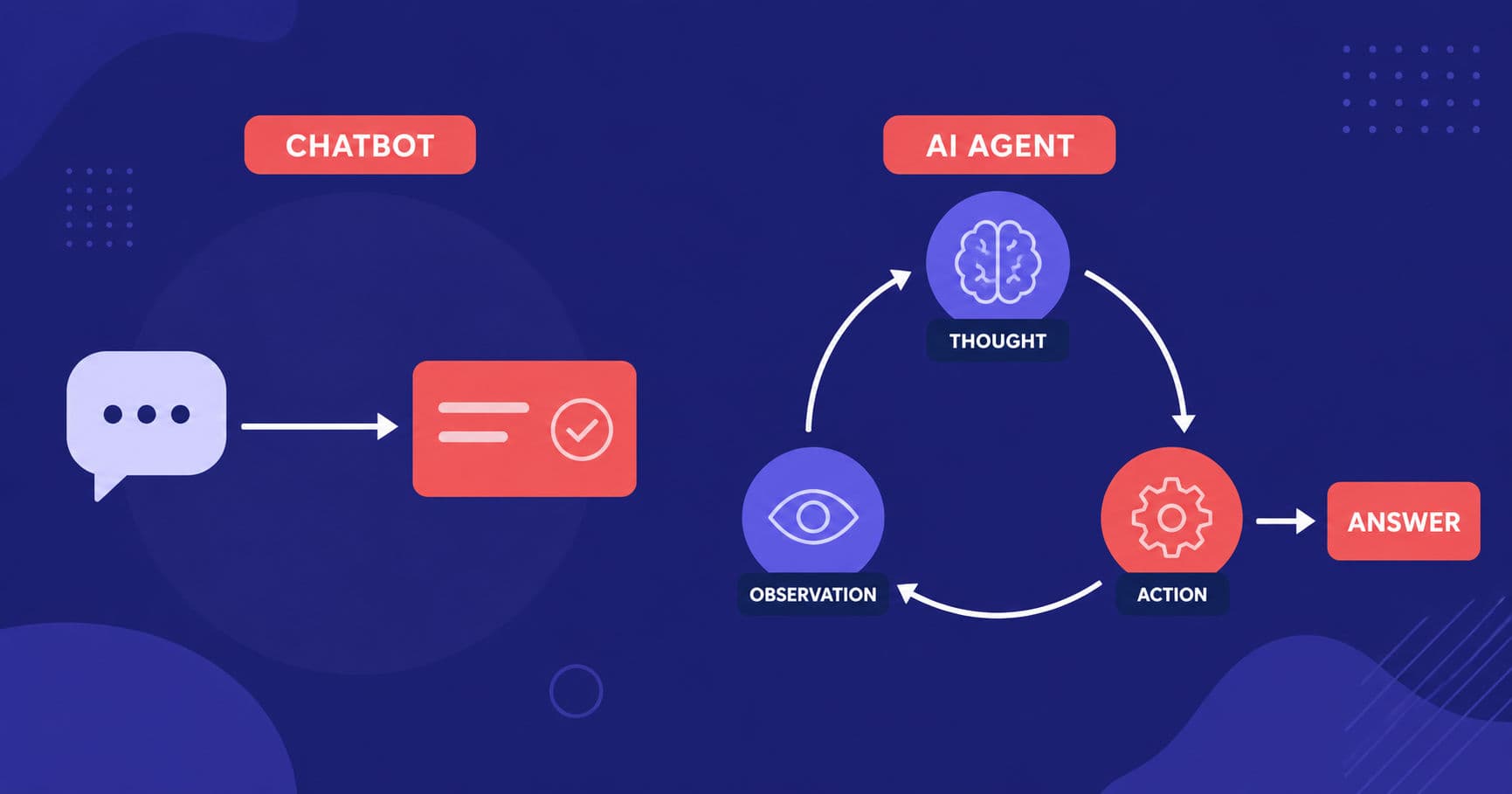
The Rise of the "Integrator" In my recent technical audits of scaling B2B platforms, I see a recurring, dangerous pattern. We are no longer producing Software Engineers; we are producing API Integrators.

When a modern abstraction leaks or breaks, the system halts.
When an ORM generates a highly inefficient N+1 query that takes 4 seconds to execute, the "New CSE" instinct is not to write a raw SQL query or analyze the execution plan. The instinct is to upgrade the cloud server and throw more RAM at the problem.
When a frontend becomes sluggish, the solution is rarely to understand the DOM rendering cycle; it is to install another state-management library.
This works perfectly fine for an MVP. But at an enterprise scale, this lack of foundational knowledge destroys companies. A 200ms latency might seem acceptable locally, but at 50,000 requests per minute, that lazy ORM query translates into thousands of dollars in inflated AWS bills and severe system bottlenecks. Bridging the Gap I am not advocating that we go back to writing Assembly or writing our own load balancers in C++. Abstractions are necessary for business velocity.
However, a tool is only as good as the engineer wielding it.
The most lethal developers in the market right now are those who operate in the "New CSE" ecosystem but think with an "Old CSE" mindset. They use Prisma or TypeORM for rapid prototyping, but they know exactly when to drop down to raw SQL and Stored Procedures. They use React for speed, but they understand the underlying JavaScript memory heap.
The Bottom Line Modern frameworks are scaffolding; they are not the foundation. If you want to survive the next decade of AI-assisted coding, you cannot just be a syntax mechanic. AI can integrate APIs and write boilerplate better than you.
What AI cannot do is architect a resilient, cost-optimized, mathematically sound system. That requires real engineering.
My question to the senior engineers and senior architects here: Where do you draw the line in your teams? How do you ensure your junior developers don't become completely dependent on abstractions without understanding the underlying mechanics?
© 2026 Vivek Kumar Ojha. All Rights Reserved. (Proprietary IP: The cognitive analogy mapping classical immutable ledgers to modern Event Sourcing architecture is the intellectual property of the author.