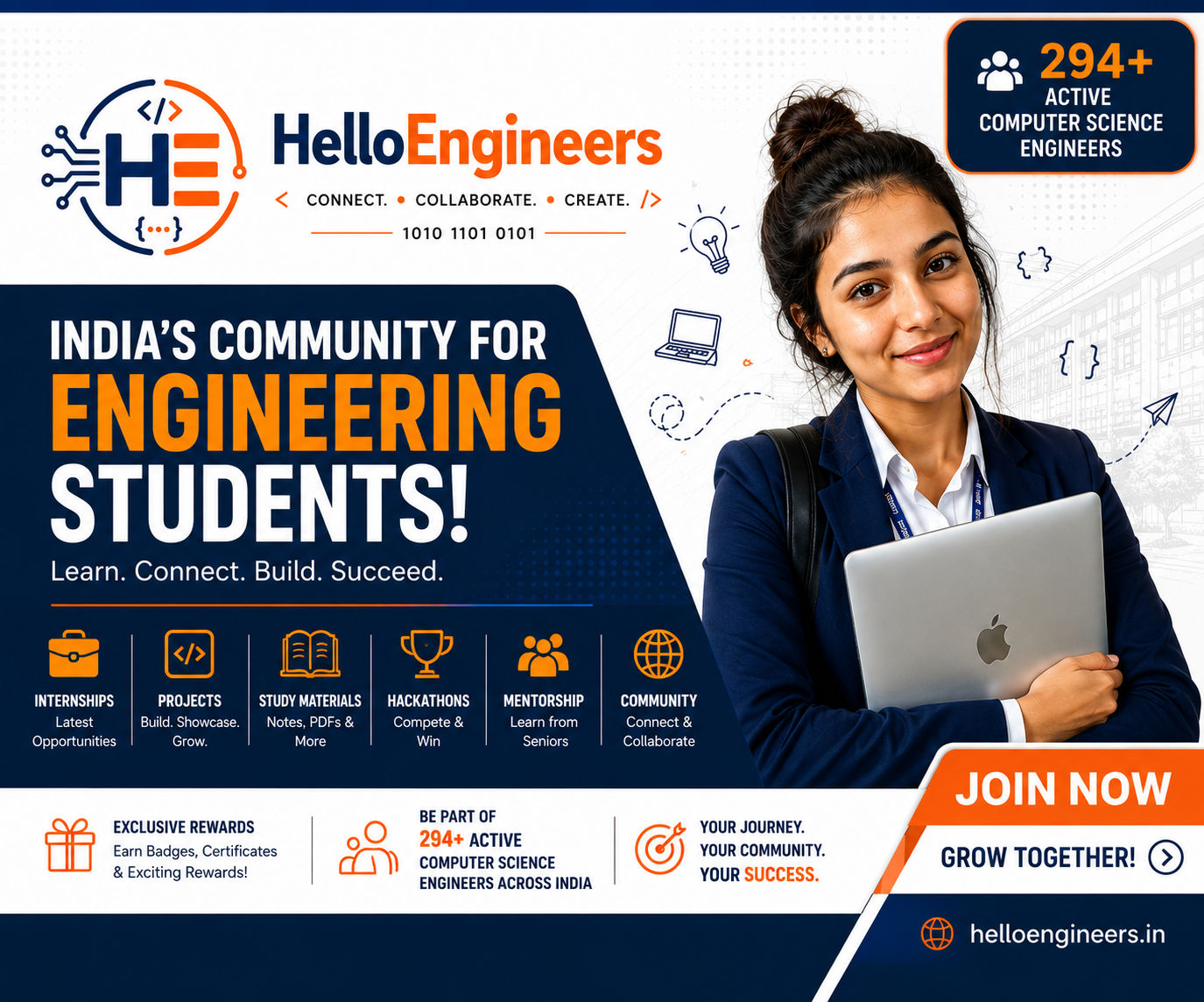
In today's competitive world, technical knowledge alone is no longer enough to build a successful engineering career. While academic excellence and technical expertise remain essential, networking has emerged as one of the most powerful tools for professional growth. For engineering students, building meaningful connections can open doors to internships, job opportunities, mentorship, collaborations, and lifelong career success.
What is Networking?
Networking refers to the process of building and maintaining professional relationships with individuals who can provide guidance, support, knowledge, or opportunities throughout one's career. These connections may include professors, alumni, industry professionals, recruiters, fellow students, and professionals met during internships, seminars, conferences, or online platforms.
Networking is not merely about collecting contacts; it is about creating genuine relationships based on mutual learning and professional growth.
Why Networking Matters for Engineering Students
1. Access to Internship and Job Opportunities
Many job openings are never publicly advertised. Companies often prefer hiring candidates through referrals and recommendations. By building a strong professional network, engineering students increase their chances of learning about internship and placement opportunities at an early stage.
A recommendation from a trusted professional can significantly improve a student's chances of getting shortlisted.
2. Learning Beyond the Classroom
Engineering education provides theoretical and practical knowledge, but industry exposure offers insights that textbooks cannot provide. Networking allows students to interact with professionals who can share real-world experiences, industry trends, and practical challenges.

These interactions help students understand how concepts learned in college are applied in professional environments.
3. Guidance and Mentorship
A mentor can play a crucial role in shaping a student's career. Through networking, students can connect with experienced professionals and alumni who can guide them regarding:
Career paths Skill development Higher education opportunities Industry expectations Placement preparation
Mentorship helps students make informed career decisions and avoid common mistakes.
4. Enhancing Communication and Interpersonal Skills
Networking encourages students to communicate with people from diverse backgrounds. Regular interactions improve essential soft skills such as:
Communication skills Confidence Public speaking Teamwork Professional etiquette
These skills are highly valued by employers across industries.
5. Staying Updated with Industry Trends
Technology evolves rapidly, and engineers must continuously learn to remain relevant. Networking enables students to stay informed about:
Emerging technologies Industry demands New tools and software Career opportunities Research developments
Professionals within a network often share valuable insights and updates that help students stay ahead of the competition.
Effective Ways for Engineering Students to Build a Network
Attend Workshops and Seminars
Participating in technical workshops, webinars, conferences, and industry events provides excellent opportunities to meet experts and like-minded peers.
Connect with Alumni
College alumni can be valuable sources of guidance and career opportunities. Students should actively engage with alumni networks and seek advice from graduates working in their desired industries.
Leverage Professional Platforms
Platforms such as LinkedIn allow students to connect with recruiters, industry leaders, and professionals worldwide. Maintaining an updated and professional online profile can significantly enhance networking efforts.
Participate in Student Clubs and Competitions
Technical clubs, hackathons, coding competitions, and project exhibitions offer opportunities to collaborate with peers and industry experts while showcasing skills.
Build Genuine Relationships
Networking should focus on creating meaningful and long-term relationships rather than seeking immediate benefits. Students should contribute, engage in discussions, and maintain regular communication with their professional contacts.
Common Networking Mistakes to Avoid Connecting with people only when seeking a job. Sending generic messages without personalization. Ignoring follow-ups after initial interactions. Focusing solely on senior professionals while neglecting peers. Treating networking as a one-way process.
Successful networking is built on trust, authenticity, and mutual value.
Conclusion
In the modern engineering landscape, networking is no longer optional—it is essential. The relationships students build during their academic journey can significantly influence their professional growth and career opportunities.
Engineering students should begin networking early, actively participate in professional communities, and focus on building genuine relationships. Alongside technical expertise, a strong network can become one of the most valuable assets in achieving long-term career success.
After all, opportunities often come not only from what you know, but also from who knows you and your capabilities.