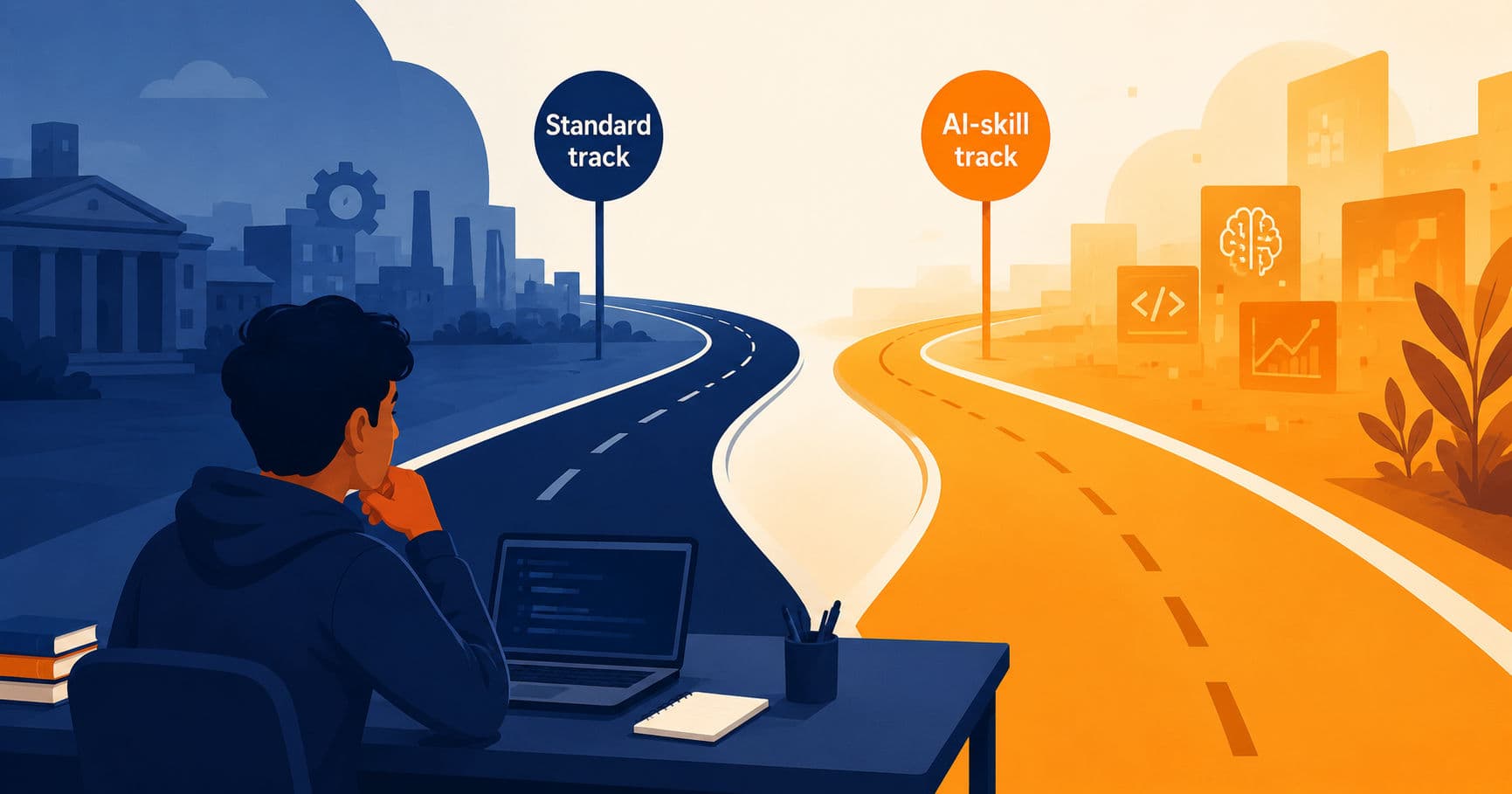
For many years, engineering students were given one simple career formula: learn coding, clear interviews, and get placed.
That formula is no longer enough.
The engineering world is changing faster than ever. Artificial intelligence is now part of coding, testing, debugging, documentation, product development, and even design thinking. AI tools can generate code, suggest fixes, explain errors, create documentation, and help developers build prototypes faster.
But this does not mean engineers are becoming less important.
It means the role of an engineer is becoming more powerful.
The future engineer will not only write code. The future engineer will guide AI, verify AI output, understand real-world problems, design better systems, and convert ideas into working products.
This is the rise of the AI co-engineer.
Coding Is Still Important, But It Is No Longer the Full Story
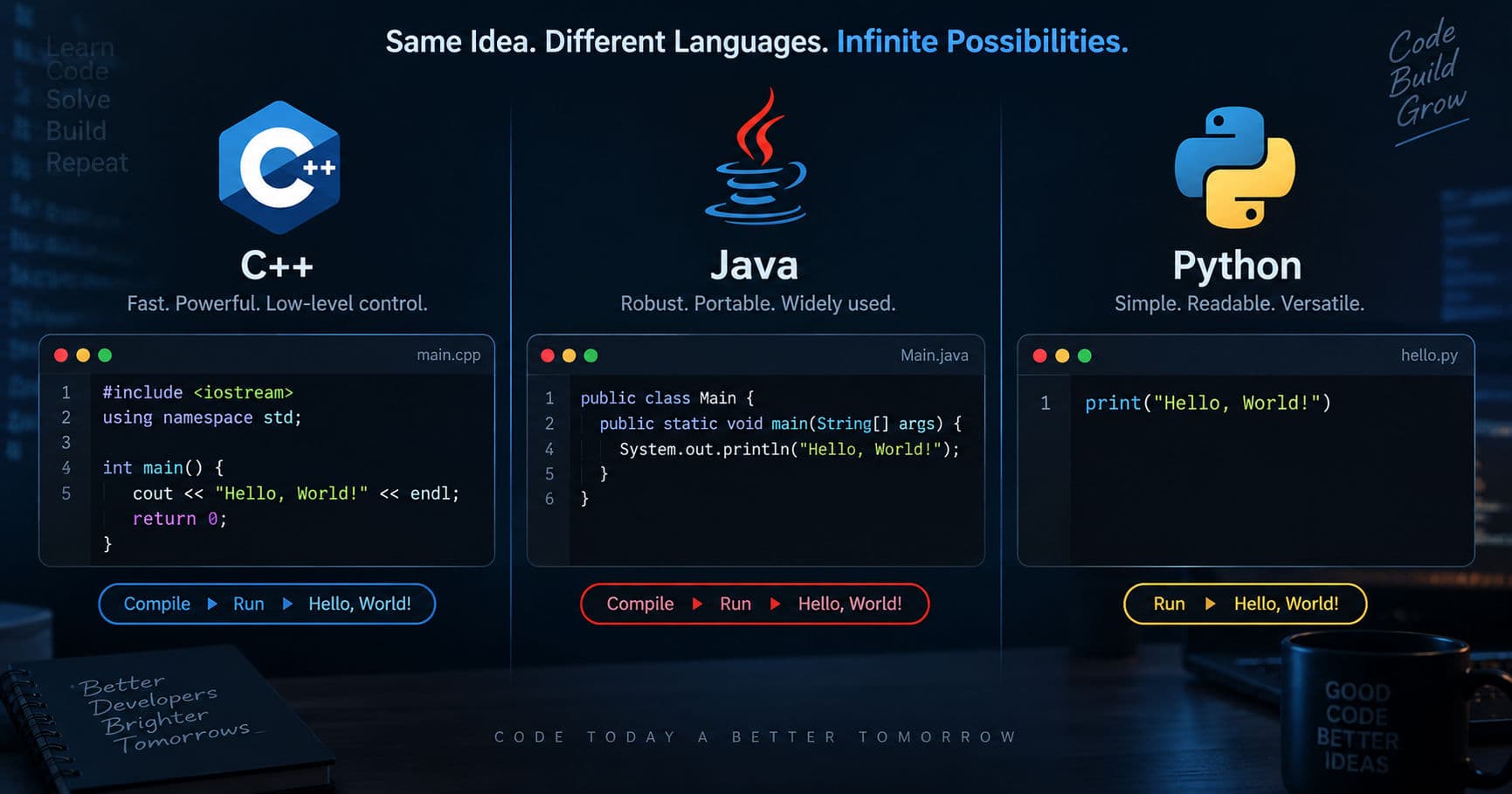
Coding remains the foundation of software engineering. Every engineering student should understand programming logic, data structures, algorithms, databases, APIs, and software development basics.
However, companies are no longer looking only for students who can write syntax.
They want students who can think clearly.
They want engineers who can break down a problem, choose the right technology, understand the user requirement, and build something useful. In a world where AI can generate basic code, the value of an engineer comes from judgment, clarity, and execution.
A student who only copies code may struggle.
A student who understands why the code works will grow faster.
The New Role: AI Co-Engineer
An AI co-engineer is someone who works with AI tools smartly but does not depend on them blindly.
This type of engineer knows how to write good prompts, review generated code, identify errors, improve output, and convert AI suggestions into production-ready solutions.
AI can help with speed, but the engineer must bring direction.
AI can suggest code, but the engineer must check logic.
AI can create a structure, but the engineer must decide whether it is secure, scalable, and useful.
This is why engineering students must learn how to collaborate with AI instead of treating it as a shortcut.
Verification Is Becoming a Core Engineering Skill
One of the biggest mistakes students make is trusting AI-generated code without checking it.
AI tools can produce code that looks correct but may contain logical errors, security issues, outdated methods, or incomplete assumptions. This is why verification is becoming one of the most important skills for engineering students.
Verification means asking questions like:
Does this code solve the actual problem?
Is it secure?
Can it handle real users?
Will it work when the data changes?
Is there a better and simpler way to write it?
Can this solution scale?
Students who learn how to test, debug, and review AI-generated work will have a major advantage in the job market.
Product Thinking: The Skill That Separates Good Engineers from Average Engineers
A good engineer does not only ask, “How do I build this?”
A good engineer also asks, “Why are we building this?”
Product thinking means understanding the user, the problem, the business goal, and the final outcome. It helps engineers build solutions that are not just technically correct but also practically useful.
For example, if a student is building a job portal, the goal is not just to create login, registration, and profile pages. The real goal is to help students find opportunities easily and help recruiters discover the right talent faster.
That difference in thinking matters.
Students who understand product thinking can communicate better with teams, founders, clients, and managers. They become more valuable because they connect technology with real-world impact.
System Design and Scalability Are No Longer Only for Senior Developers
Earlier, system design was mostly considered a senior developer skill. Today, even students should start learning the basics.
Modern applications are not just small college projects. They include users, databases, authentication, APIs, cloud hosting, payment systems, security, notifications, analytics, and performance requirements.
Engineering students do not need to master advanced architecture immediately, but they should understand the basics of:
Frontend and backend communication
**Database design
API structure
Authentication and authorization
Cloud deployment
Performance optimization
Security basics
Error handling
Scalable project structure ** This knowledge helps students move from “project makers” to “solution builders.”
Domain Knowledge Will Create Better Career Opportunities
Technical skills are important, but domain knowledge makes them powerful.
In 2026, companies need engineers who understand industries like fintech, healthcare, education, logistics, manufacturing, agriculture technology, cybersecurity, and electric vehicles.
A student who knows coding can build a form.
A student who understands fintech can build a loan application flow.
A student who understands healthcare can build a patient appointment system.
A student who understands education technology can build a learning management platform.
Domain knowledge helps students solve specific problems, not just generic assignments.
This is where Indian engineering students can create a strong advantage. India has real problems at scale, from financial inclusion to rural education, from logistics to agriculture. Students who build for these problems can create meaningful careers and even startups.
Communication Is Now a Technical Skill
Many students believe communication is only needed for HR interviews. That is not true anymore.
In modern engineering teams, communication is part of technical work.
Engineers need to explain ideas, document code, write clear project descriptions, collaborate with teams, present solutions, and discuss problems with non-technical people.
A student with average coding skills but strong communication can often perform better than a student with strong coding skills but poor clarity.
Good communication helps in internships, placements, freelancing, startups, open-source contributions, and leadership roles.
The New Skill Stack for Engineering Students in 2026
To stay future-ready, engineering students should focus on a balanced skill stack:
- Core Coding Skills
Learn at least one programming language properly. Understand logic, problem-solving, data structures, and algorithms.
- AI Tool Usage
Use AI tools for learning, debugging, documentation, and faster development, but always verify the output.
- Prompting and Problem Framing
Learn how to explain a problem clearly to AI. A better prompt often produces a better solution.
- Debugging and Testing
Do not just write code. Learn how to test it, break it, fix it, and improve it.
- System Design Basics
Understand how real applications are structured, hosted, connected, and scaled.
- Product Thinking
Build projects that solve real problems, not just projects that look good on a resume.
- Domain Knowledge
Choose one or two industries and understand how technology is used in them.
- Communication and Documentation
Write better README files, explain your projects clearly, and learn how to present your work.
- Portfolio Building
Create a strong online profile with GitHub projects, LinkedIn posts, case studies, and project demos.
- Continuous Learning
Technology will keep changing. The best engineers will be those who keep learning without fear.
What Engineering Students Should Do Today
The best way to prepare for the future is not to wait for the final year.
Start small.
Pick one problem and build a solution.
Use AI to learn faster, but do not skip the fundamentals.
Upload your projects on GitHub.
Write about what you learned on LinkedIn.
Improve one project every month.
Take feedback from seniors, mentors, and professionals.
Learn one new tool, but also strengthen one core concept.
The students who take action early will have a clear advantage.
The future of engineering is not about humans versus AI.
It is about engineers who know how to work with AI better than others.
Indian engineering students have a massive opportunity ahead. The demand for skilled, practical, and ready engineers will continue to grow. But the definition of skill is changing.
The engineer of 2026 must be more than a coder.
They must be a problem solver, product thinker, system builder, AI collaborator, and lifelong learner.
Coding may open the door.
But thinking, building, and adapting will create the career.
The next generation of Indian engineers will not just use technology.
They will build the future with it.