Introduction
Ask any engineering student what the biggest challenge in college is, and you'll probably hear different answers. Some struggle with coding, others find it difficult to get internships, while many simply don't know where to start learning beyond classroom lectures.
The reality is that engineering today is no longer limited to textbooks or semester exams. Companies expect graduates to have practical skills, real-world projects, problem-solving abilities, and the confidence to work with modern technologies. Unfortunately, many students spend countless hours watching random YouTube videos, downloading PDFs, or jumping from one course to another without making real progress.
That's where choosing the best websites for engineering students makes all the difference.
Instead of wasting time searching for resources, you can focus on a handful of platforms that are trusted by millions of students and professionals. Whether you want to improve your coding skills, prepare for technical interviews, build an impressive portfolio, find internships, or connect with other engineers, the right website can save you months of effort.
This guide isn't just another list copied from the internet. Instead of briefly describing each platform, we'll explain why it matters, who should use it, what its strengths are, and how it can genuinely help during your engineering journey.
If you're serious about building a successful engineering career, bookmark this guide—you'll come back to it more than once.
Why Every Engineering Student Needs the Right Learning Platforms
Many students believe that scoring good marks is enough to get placed.
That may have been true years ago, but today recruiters look far beyond academic performance.
During interviews, companies want candidates who can:
- Solve programming problems
- Explain real projects
- Work with Git and GitHub
- Communicate ideas clearly
- Learn new technologies quickly
- Collaborate with teams
Most colleges provide the theoretical foundation, but practical learning is something students have to develop themselves.
The good news is that there are excellent websites that make this journey much easier.
How We Selected These Websites
Instead of creating a list with 50 random platforms, we selected websites based on what actually helps engineering students succeed.
We considered the following factors:
| Criteria | Why It Matters |
|---|---|
| Learning Quality | Easy explanations with practical examples |
| Career Value | Helps in placements and internships |
| Beginner Friendly | Suitable even for first-year students |
| Community Support | Active discussions and peer learning |
| Free Resources | Valuable free content without expensive subscriptions |
Every website mentioned below serves a different purpose, so using the right combination is far more beneficial than trying to use everything at once.
Quick Comparison
| Website | Best For | Beginner Friendly | Free Version |
|---|---|---|---|
| HelloEngineers | Engineering Community | 5/5 | Yes |
| GeeksforGeeks | Programming & DSA | 5/5 | Yes |
| LeetCode | Coding Interviews | 5/5 | Yes |
| HackerRank | Coding Practice | 5/5 | Yes |
| GitHub | Projects | 4/5 | Yes |
| Internshala | Internships | 5/5 | Yes |
| Networking | 4/5 | Yes | |
| Coursera | Online Courses | 5/5 | Yes |
| Canva | Resume Design | 5/5 | Yes |
1. HelloEngineers
Most social media platforms mix entertainment with educational content. While that's fine for casual browsing, it often distracts engineering students from their goals.
That's where HelloEngineers stands out.
Instead of endless memes or unrelated posts, the platform focuses on engineering discussions, technical blogs, projects, internships, career guidance, and networking with fellow students.
If you're working on a project and need feedback, want to publish your first technical article, or simply want to connect with students who share similar interests, a dedicated engineering community can be much more valuable than a general social network.
One of the biggest advantages is that conversations stay relevant to engineering and technology. Rather than scrolling through unrelated content, you spend your time learning from peers, discovering new tools, and sharing knowledge.
Best For
- Engineering discussions
- Student networking
- Technical blogs
- Project sharing
- Career guidance
Why You Should Use It
If you enjoy learning from other students instead of studying alone, HelloEngineers can become part of your daily learning routine.
2. GeeksforGeeks
Almost every engineering student in India has heard of GeeksforGeeks—and for good reason.
When you're starting programming, everything feels overwhelming. Terms like recursion, pointers, dynamic programming, operating systems, and database normalization can seem confusing at first.
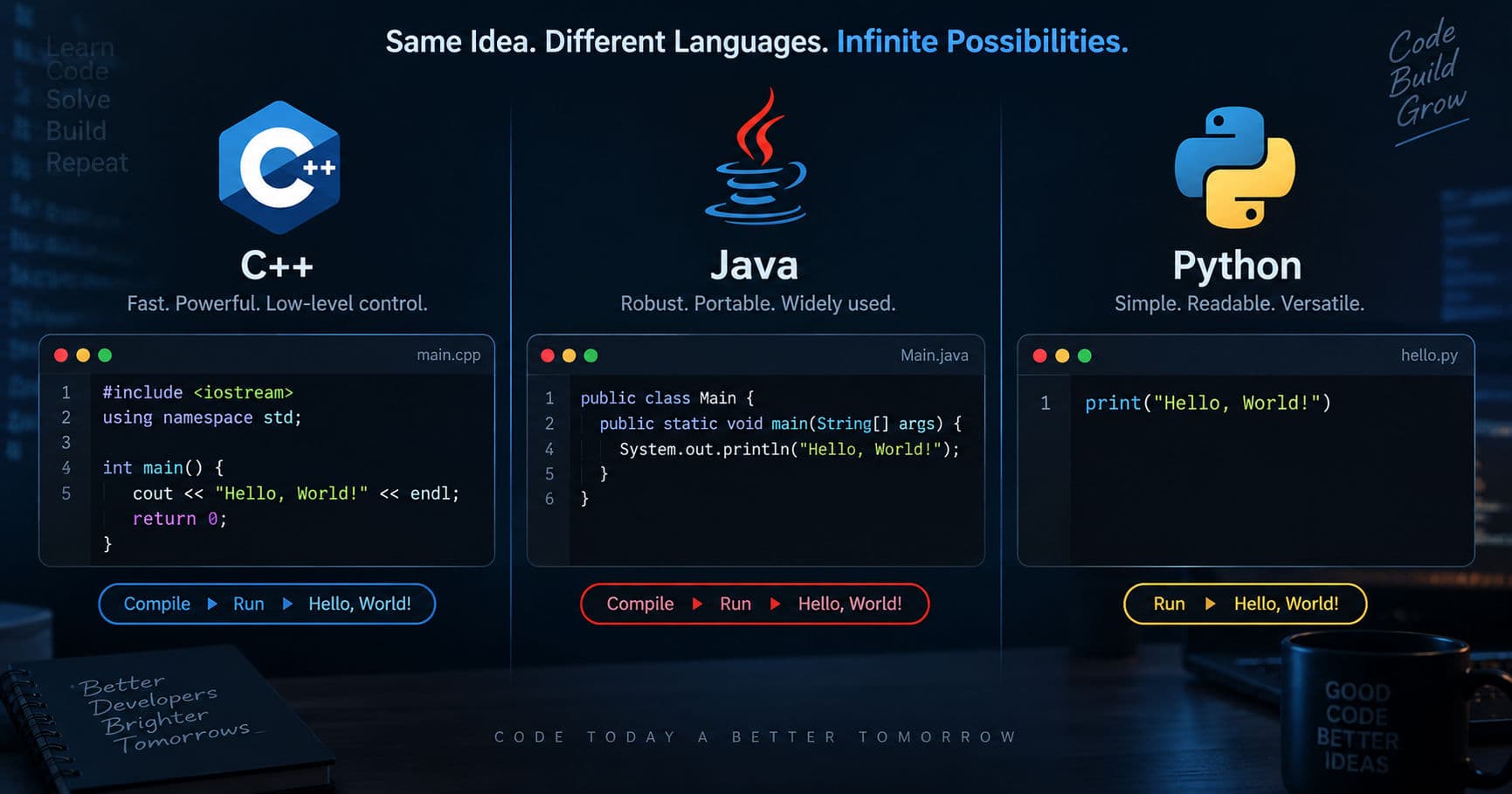
GeeksforGeeks explains these topics using simple language, practical examples, diagrams, and coding snippets.
Many students begin preparing for placements here because the content covers almost every Computer Science subject.
Instead of memorising theory, you understand why concepts work.
That's the difference.
Whether you're learning C++, Java, Python, SQL, JavaScript, or Data Structures and Algorithms, GeeksforGeeks provides enough material to build a strong foundation.
Best For
- Programming
- DSA
- Operating Systems
- DBMS
- Computer Networks
- Interview Questions
Pro Tip
Don't try to read every article.
Choose one programming language and complete it properly before moving to another.
3. LeetCode
Ask anyone who has recently cracked interviews at companies like Google, Microsoft, Amazon, or Adobe, and there's a good chance they'll mention LeetCode.
The platform isn't about learning programming from scratch.
Instead, it's designed to improve your problem-solving skills.
Many engineering students make the mistake of solving hundreds of Easy questions while avoiding Medium-level problems.
A smarter strategy is to solve fewer questions but understand every solution completely.
Whenever you get stuck, don't immediately look at the answer.
Spend another 20 minutes thinking.
That habit develops logical thinking far more effectively than simply copying code.
Difficulty Levels
| Level | Recommended For |
|---|---|
| Easy | Beginners |
| Medium | Internship Preparation |
| Hard | Product Companies |
Consistency matters much more than speed.
Even solving two quality questions every day is enough to see significant improvement after a few months.
4. HackerRank
While LeetCode focuses heavily on interview preparation, HackerRank is ideal for strengthening programming fundamentals.
Its interface feels beginner-friendly, and the platform gradually increases difficulty as you progress.
Many companies also use HackerRank assessments during hiring.
Practising here helps students become comfortable with online coding tests before appearing in actual recruitment drives.
Another advantage is the skill certifications available for subjects like SQL, Python, and Problem Solving.
Although certificates alone won't get you hired, they do demonstrate initiative and continuous learning.
5. GitHub – Your Digital Portfolio That Recruiters Actually Notice
Imagine two students applying for the same software internship.
Both have similar grades, know Java and Python, and claim to have built projects.
One student only mentions these projects on their resume.
The other shares a GitHub profile containing clean source code, detailed documentation, screenshots, regular commits, and project updates.
Which one do you think leaves a stronger impression?
The answer is obvious.
That's why GitHub is much more than a code storage platform. It's your digital portfolio.
Every engineering student should start using GitHub as early as possible, even if the first project is as simple as a calculator or a to-do application. Recruiters don't expect first-year students to build complex applications. They simply want to see that you're learning consistently.
As you gain experience, your GitHub profile becomes a timeline of your growth. Every new project demonstrates that you're improving your programming skills.
What You Should Upload
- College projects
- Mini projects
- Web development projects
- Python scripts
- Machine Learning experiments
- Android applications
- Documentation
- README files
Pro Tip
Don't upload a project without explaining it.
A well-written README with screenshots, installation steps, features, and future improvements immediately makes your project look more professional.
6. Internshala – Start Gaining Industry Experience Early
One of the biggest misconceptions among engineering students is that internships are only for final-year students.
That's simply not true.
In fact, students who begin applying for internships in their second year often gain valuable practical experience long before placements begin.
Internshala has become one of India's most popular internship platforms because it caters specifically to students and freshers.
Instead of only listing high-experience jobs, it includes opportunities for beginners in fields like:
- Software Development
- Web Development
- Artificial Intelligence
- Data Science
- Content Writing
- UI/UX Design
- Digital Marketing
Even if your first internship offers only a small stipend, don't reject it immediately.
The experience you'll gain is often far more valuable than the money.
Employers appreciate candidates who have already worked in a professional environment, collaborated with teams, met deadlines, and solved real problems.
Tips for Getting Selected
- Build a simple portfolio first.
- Keep your resume updated.
- Apply regularly instead of waiting for the "perfect" internship.
- Write personalised application messages whenever possible.
7. LinkedIn – Build Your Professional Network Before Graduation
Many engineering students create a LinkedIn profile just a few weeks before placements.
By then, they've already missed countless networking opportunities.
Think of LinkedIn as your professional identity.
Whenever someone searches your name, this is often the first profile they see.
A complete LinkedIn profile shows recruiters that you're serious about your career.
More importantly, it helps you connect with:
- Recruiters
- Industry experts
- Alumni
- College seniors
- Hiring managers
- Technical mentors
One simple habit can make a huge difference.
Whenever you complete a project, earn a certification, participate in a hackathon, or learn a new technology, share it on LinkedIn.
These updates gradually build your professional presence.
You don't need thousands of followers.
You just need the right people to notice your work.
Best Practices
- Use a professional profile photo.
- Write a clear headline.
- Add projects.
- Add certifications.
- Connect with seniors from your college.
- Post consistently.
8. Coursera – Learn Directly from Top Universities
Sometimes college lectures aren't enough.
You may want to learn Artificial Intelligence, Cloud Computing, Cyber Security, Machine Learning, or Data Science from industry experts.
That's where Coursera becomes valuable.
The platform partners with globally recognised universities and technology companies.
Instead of random tutorials, you learn through structured courses that include videos, assignments, quizzes, and practical projects.
Many courses can be audited for free if your goal is simply learning.
Popular Topics
- Python Programming
- Artificial Intelligence
- Machine Learning
- Cloud Computing
- Data Analytics
- Cyber Security
- Software Engineering
Remember, certificates alone won't guarantee a job.
Skills will.
Treat certifications as proof of learning, not as the final goal.
9. Canva – Create a Resume That Looks Professional
Your resume is often the first impression a recruiter has of you.
Unfortunately, many engineering students spend months learning programming but create their resume in just ten minutes.
A poorly formatted resume can hide excellent skills.
Canva makes designing professional resumes incredibly simple.
Instead of worrying about layouts and formatting, you can focus on presenting your achievements clearly.
Apart from resumes, Canva is also useful for:
- Project presentations
- Portfolio pages
- Technical posters
- LinkedIn banners
- Certificates
- Infographics
A clean design doesn't replace good skills, but it certainly improves presentation.
Which Website Should You Use Based on Your Goal?
Choosing the best websites for engineering students depends entirely on what you're trying to achieve.
| Goal | Best Website |
|---|---|
| Learn Programming | GeeksforGeeks |
| Practice Coding | HackerRank |
| Crack Coding Interviews | LeetCode |
| Build Projects | GitHub |
| Find Internships | Internshala |
| Professional Networking | |
| Online Learning | Coursera |
| Resume Design | Canva |
| Engineering Community | HelloEngineers |
Instead of opening all these websites every day, build a weekly routine.
For example:
- Monday to Friday: Coding practice
- Saturday: Build or improve a project
- Sunday: Update GitHub, LinkedIn, and read engineering blogs
This simple routine is much more effective than studying randomly.
Common Mistakes Engineering Students Should Avoid
Even the best websites for engineering students won't help if they're used incorrectly.
Avoid these common mistakes:
- Learning five programming languages at the same time.
- Watching tutorials without building projects.
- Ignoring GitHub.
- Applying for internships only in the final year.
- Creating a LinkedIn profile but never updating it.
- Solving coding questions without understanding the logic.
- The goal isn't to consume more content.
- The goal is to build real skills.
Final Thoughts
The internet offers endless resources, but success doesn't come from bookmarking hundreds of websites.
It comes from consistently using a few high-quality platforms.
If you're just beginning your engineering journey, start with GeeksforGeeks to learn programming, use HackerRank to practise coding, build projects on GitHub, challenge yourself with LeetCode, apply for internships through Internshala, and gradually build your professional network on LinkedIn.
Finally, don't underestimate the value of learning with a community. Discussing ideas, sharing projects, and asking questions often accelerates learning far more than studying alone. That's where engineering-focused communities like HelloEngineers can add real value.
Remember, the students who get the best opportunities aren't always the smartest—they're usually the ones who stay consistent, keep learning, and actively apply what they know.