Why Learning These Skills Early Gives You an Advantage
The first year of engineering is full of excitement. It opens the door to innovation, problem-solving and endless career opportunities. Many students begin college thinking that getting good grades is the only thing they need to focus on. However, the reality is different. The students who stand out during internships and placements are usually those who start building practical skills early. Learning these skills in the first year gives students enough time to practice, make mistakes and improve before graduation.
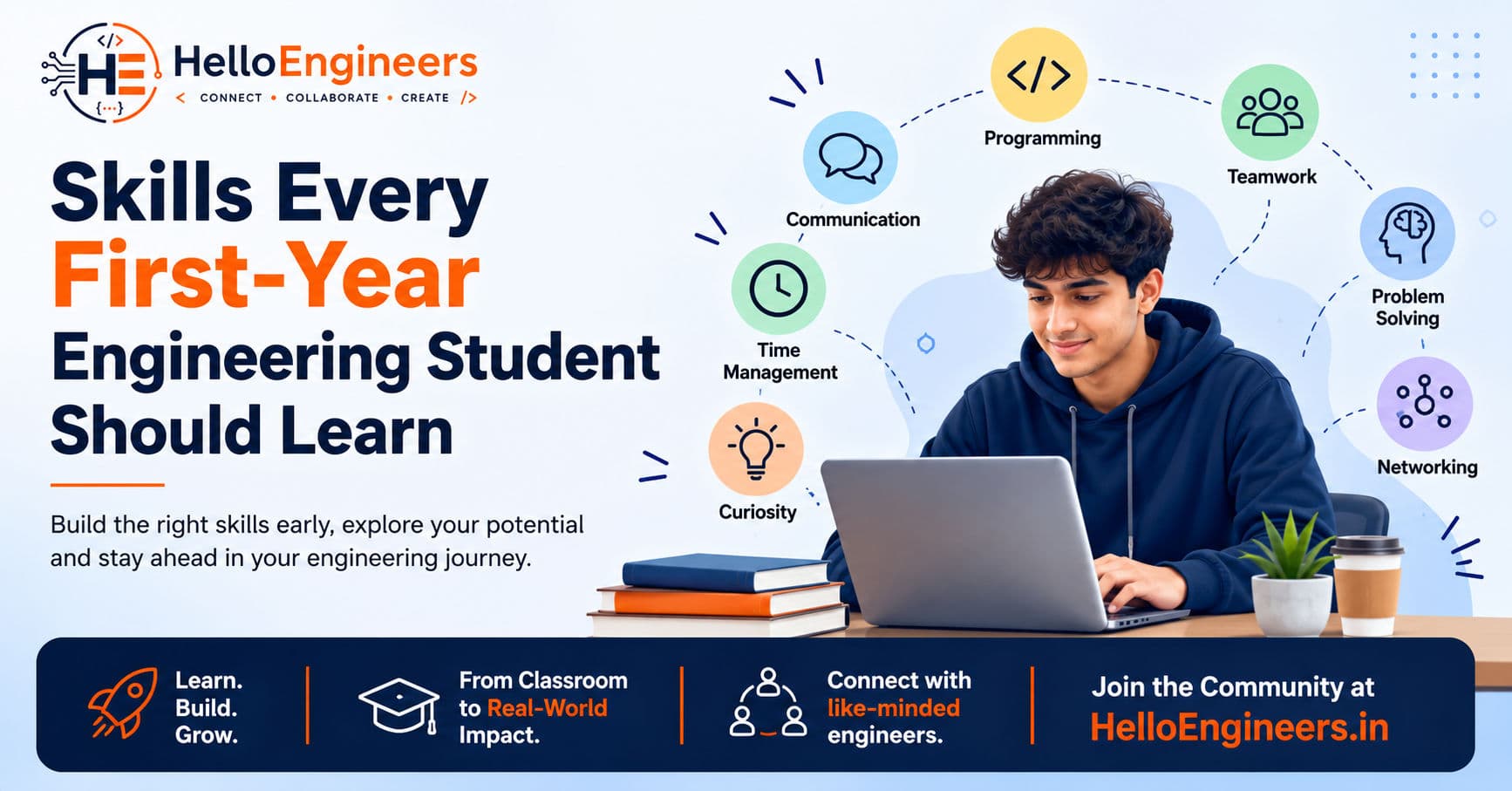
1. Learn One Programming Language Well
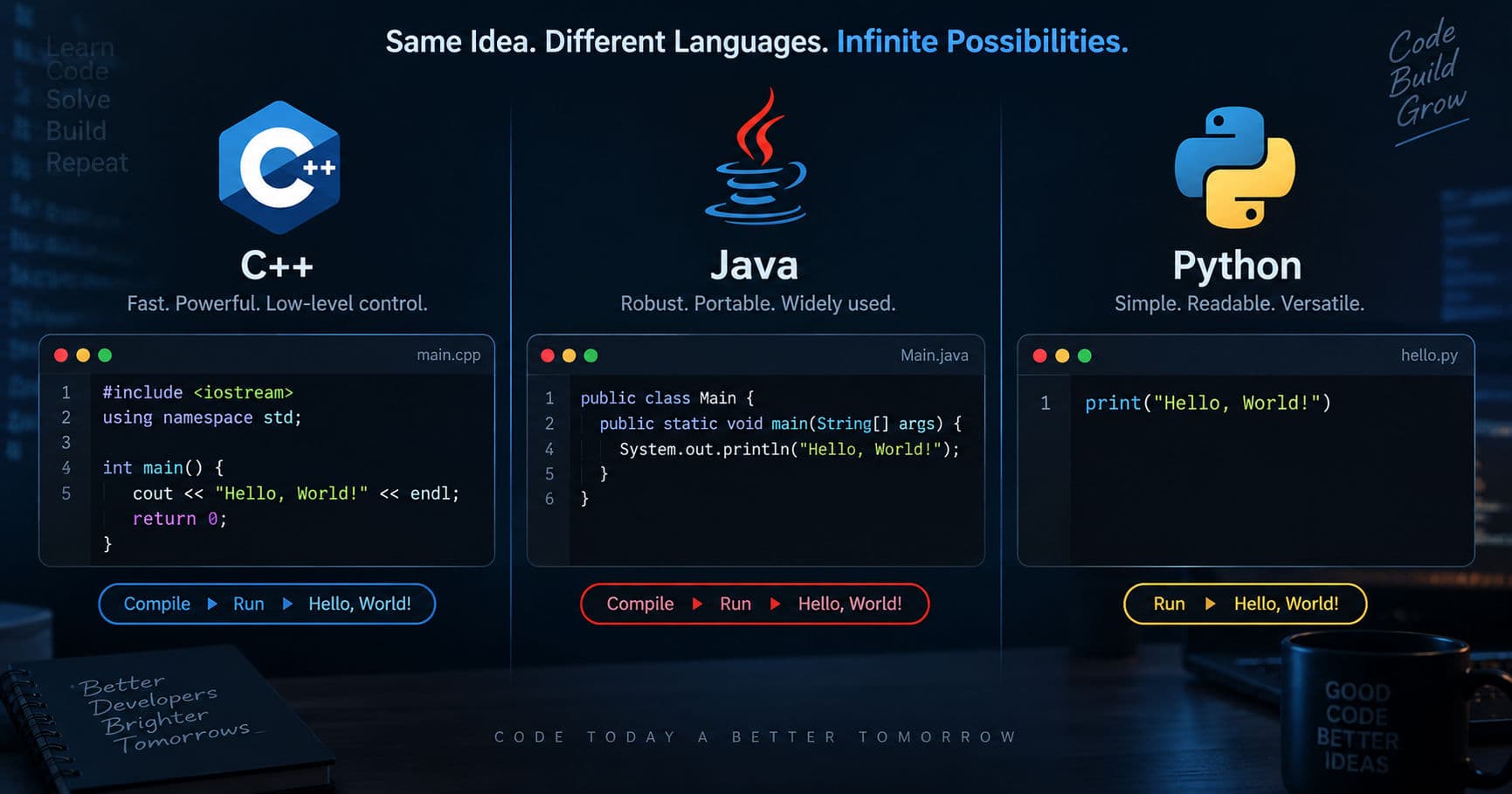
Regardless of the engineering branch, programming has become a valuable skill. Even mechanical, civil, electrical and biotechnology students benefit from understanding how software works. Start with one beginner-friendly language, such as Python, C++, or Java.
Focus on understanding the logic rather than memorising the syntax. Once you become comfortable with the basics, solving programming problems becomes much easier.
2. Build Strong Problem-Solving Skills
Engineering is all about solving problems. Companies do not hire students simply because they know formulas; they hire students who can analyse situations and find practical solutions.
The more you practice solving problems, the more confident you will become when facing unfamiliar challenges.
3. Learn Communication Skills
Many technically brilliant students lose opportunities because they struggle to communicate their ideas. Communication is not only about speaking fluent English. It is more about expressing your thoughts confidently, listening carefully and presenting your work efficiently. Strong communication helps during interviews, presentations, internships and teamwork.
4. Master Time Management
Engineering students often have packed schedules. Between lectures, assignments, lab work, exams and extra-curricular activities, it is easy to feel overwhelmed. Creating a simple weekly plan can help stay organised. Set aside time for studying, learning new skills, relaxing and pursuing hobbies. Remember, consistency beats last-minute efforts.

5. Start Building Small Projects
One of the best ways to learn engineering is by creating something. Projects teach lessons that textbooks cannot. They improve your understanding, boost your confidence and give you something to showcase on your resume.
Your first project does not have to be complex. It could be a basic calculator, a personal website or a simple automation script.
6. Learn How to Work in a Team
Very few engineering projects are completed alone. Whether you are participating in competitions or building a project, you will need to collaborate with others. Learning how to collaborate, divide responsibilities, respect deadlines and solve disagreements is just as valuable as technical knowledge.
These skills prepare you for the collaborative nature of the workplace.
\
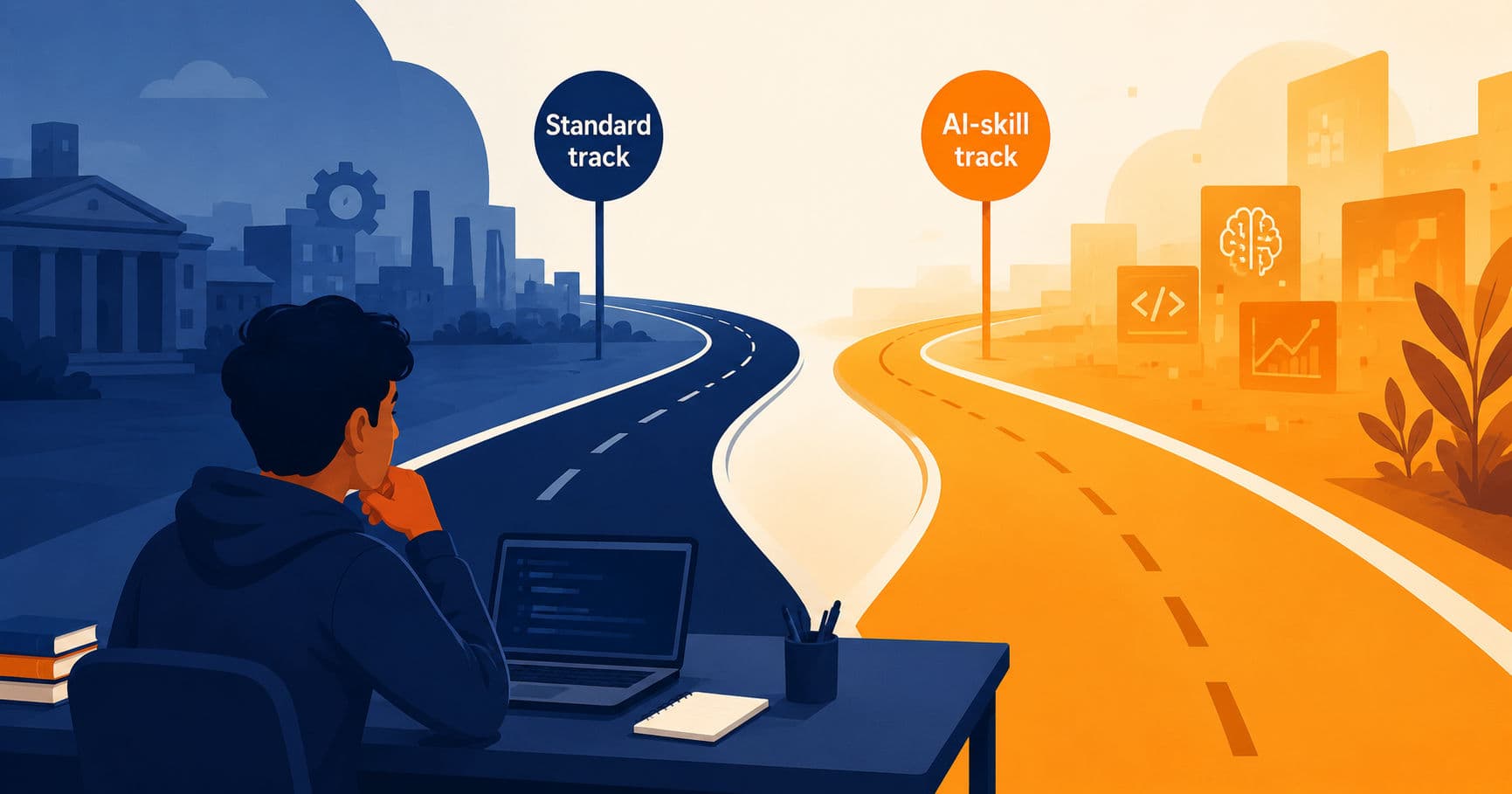
7. Use AI as a Learning Partner
Artificial Intelligence has become a part of modern engineering education. Instead of using AI to complete assignments, learn how to use it to understand difficult concepts, debug code, brainstorm project ideas or learn faster.
Knowing how to use AI responsibly is becoming an important professional skill.
8. Build Your Professional Network
Networking is not about collecting hundreds of connections. It is about making meaningful relationships with people who share similar interests. Platforms like HelloEngineers make it easier for students to connect with peers, participate in discussions, share projects and discover learning opportunities beyond the classroom.
Sometimes, a single conversation can lead to a valuable internship, project or mentorship.
9. Develop the Habit of Self-Learning
Technology evolves quickly and classroom lectures alone cannot cover everything you will need in your career. Get comfortable learning from online courses, documentation, blogs, videos and technical articles.
The ability to teach yourself new skills will remain valuable long after graduation.
10. Stay Curious and Keep Exploring
Not every skill you will learn in college will come from your syllabus. Explore robotics, web development, cybersecurity, AI, embedded systems or any field that interests you.
Curiosity is what separates an average student from an exceptional engineer.
Final Thoughts
Engineering is a four-year journey, not a race.
You do not need to know everything during the first year. What matters is taking the first step and continuing to learn consistently. Every skill you build today, whether it is coding, communication, teamwork or problem-solving, will make future opportunities easier to seize.
Frequently Asked Questions
1. What is the most important skill for a first-year engineering student?
Problem-solving is one of the most important skills because it helps students apply theoretical knowledge to real-world situations.
2. Which programming language is best for engineering beginners?
Python is ideal for beginners due to its simple syntax, while C++ is a good choice for students interested in software development and data structures.
3. Is it necessary to build projects in the first year?
Yes. Even simple projects improve practical understanding, strengthen your resume and help you apply classroom concepts.
4. How can engineering students improve their communication skills?
Practice presentations, participate in group discussions, write professionally and actively engage in technical communities and events.
5. Can first-year students get internships?
Yes. While many internships target senior students, first-year students can still gain experience through virtual internships, open-source contributions, hackathons and skill-building opportunities that prepare then for future roles.