Introduction
Computer Science Engineering (CSE) is one of the most exciting and rapidly evolving fields in the world. Every year, thousands of students join engineering colleges with the dream of becoming software engineers, AI specialists, cybersecurity experts, or entrepreneurs. However, many students struggle because they don't know what to learn, when to learn it, and how to prepare for placements.
This Computer Science Engineering Roadmap is designed to help every CSE student—from first year to final year—build the right skills, gain practical experience, and become industry-ready.
Whether your goal is to secure a high-paying software engineering job, crack product-based company interviews, build your own startup, or pursue higher studies, this roadmap will guide you step by step.
Why Every CSE Student Needs a Roadmap
Many engineering students spend four years attending classes but graduate without industry-ready skills. A roadmap helps you:
Learn the right technologies in the right order. Avoid wasting time on outdated topics. Build projects that strengthen your resume. Prepare effectively for internships and placements. Develop practical experience alongside academics.
A clear roadmap ensures that every semester contributes to your career growth.
First Year: Build Strong Foundations
The first year is all about developing your fundamentals.
Learn Programming
Start with one programming language.
Recommended:
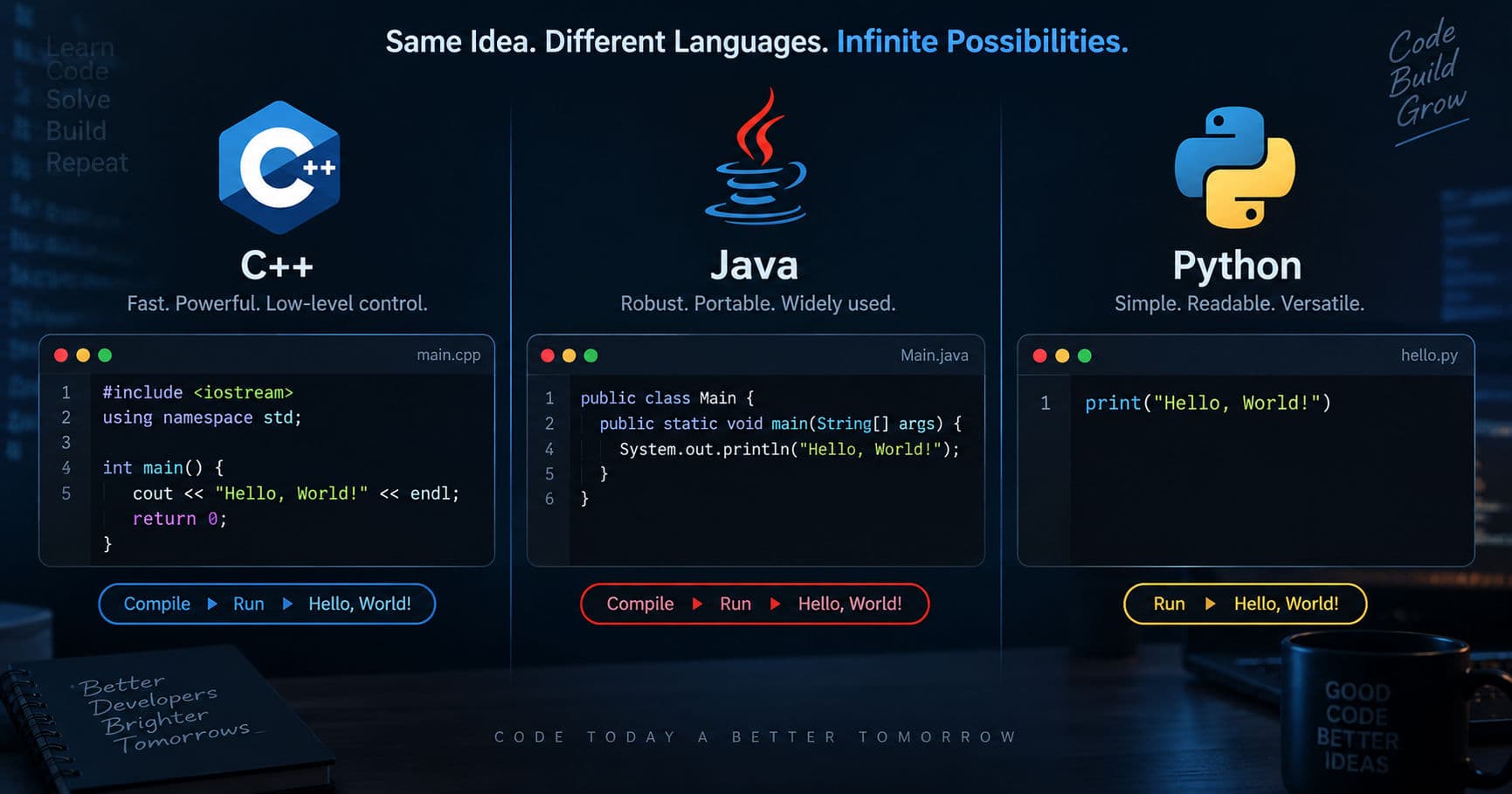
C C++ Python
Do not rush into advanced technologies before mastering programming basics.
Strengthen Core Subjects
Focus on:
Programming Fundamentals Basic Mathematics Logical Thinking Problem Solving
Learn Git & GitHub
Version control is an essential skill for every software engineer. Start maintaining your coding projects on GitHub from the beginning.
Build Small Projects
Examples:
Calculator Student Management System Number Guessing Game Library Management System
The goal is consistency, not complexity.
Second Year: Master Data Structures and Development
Now it's time to move beyond basic programming.
Learn Data Structures & Algorithms
Topics include:
Arrays Strings Linked Lists Stacks Queues Trees Graphs Dynamic Programming
Practice regularly on coding platforms.
Start Web Development
Learn:
HTML CSS JavaScript Responsive Design
Then move to:
React Node.js Express.js MongoDB
Build real-world applications.
Learn SQL
Understand:
Database Design Joins Normalization Indexing Queries
Databases are used in almost every software application.
Third Year: Become Industry Ready
This is one of the most important years.
Choose a Specialization
Options include:
Full Stack Development Artificial Intelligence Machine Learning Data Science Cyber Security Cloud Computing DevOps Mobile App Development
Choose one based on your interests and career goals.
Build Major Projects
Examples:
E-commerce Website Social Media Platform Chat Application AI Chatbot Expense Tracker Hospital Management System Learning Management System
Projects demonstrate your practical skills to recruiters.
Open Source Contributions
Participate in open-source projects to:
Improve coding skills. Learn teamwork. Strengthen your GitHub profile.
Final Year: Placement Preparation
Your focus should shift towards getting your dream job.
Prepare for Coding Interviews
Practice:
Arrays Trees Graphs Dynamic Programming System Design (Basics)
Build a Professional Resume
Your resume should include:
Projects Technical Skills Certifications Internships Achievements GitHub Profile LinkedIn Profile
Apply for Internships
Internships provide practical experience and often lead to full-time offers.
Essential Skills Every CSE Student Should Learn
Technical Skills
Programming Data Structures Algorithms SQL Git & GitHub APIs Operating Systems Computer Networks DBMS OOP
Development Skills
HTML CSS JavaScript React Node.js Express.js MongoDB
Emerging Technologies
Artificial Intelligence Machine Learning Cloud Computing Cyber Security DevOps Docker Kubernetes
Soft Skills Matter Too
Technical knowledge alone isn't enough.
Develop:
Communication Skills Teamwork Leadership Problem Solving Time Management Presentation Skills
These skills help during interviews and throughout your career.
Common Mistakes to Avoid
Learning too many technologies at once. Ignoring Data Structures and Algorithms. Not building projects. Copying code without understanding it. Waiting until final year for placements. Ignoring GitHub and LinkedIn. Not participating in hackathons. Avoiding internships.
90-Day Action Plan
Month 1
Learn one programming language. Solve basic coding problems. Create a GitHub account.
Month 2
Study Data Structures. Learn HTML, CSS, and JavaScript. Build two mini projects.
Month 3
Learn React and Node.js. Build one full-stack project. Publish your code on GitHub. Create a professional LinkedIn profile.
Final Thoughts
Success in Computer Science Engineering doesn't depend only on your college—it depends on the skills you build consistently. Focus on programming, problem-solving, real-world projects, internships, and continuous learning. Technology changes rapidly, so stay curious and keep improving.
Remember, your engineering journey is a marathon, not a sprint. Start early, stay consistent, and build a portfolio that showcases your abilities. By following this Computer Science Engineering Roadmap, you'll be well prepared for internships, placements, and a successful career in the tech industry.
Good luck with your journey, and keep building the future through technology.